

Oregano
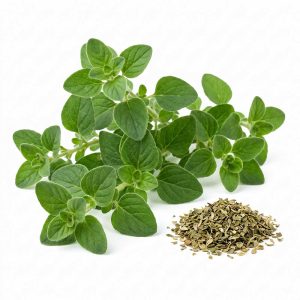
Oregano is an herb everyone is familiar with in some form or another. It’s an easy to grow perennial with some controversy surrounding it.
Oregano can be used fresh with sautéed zucchini and onions, or is a welcome addition along with cilantro to black beans.For a simple elegant appetizer, carefully grill thick slices of provolone cheese that have been sprinkled with oregano. When the cheese is warmed and starts to melt spread on crusty fresh bread with a butter knife.
Add oregano to your fresh salsa recipes, or any Mexican dishes as well as Italian recipes.
The leaves can be dried on the stem and crumbled into jars, or frozen in individual bags, then used as fresh.
One oregano plant that is put in full sun, fairly dry soil and harvested frequently will supply all that you need. It does grow quickly and spread, but that will allow you to pot up some oregano for your windowsill and for your friends!
Paprika
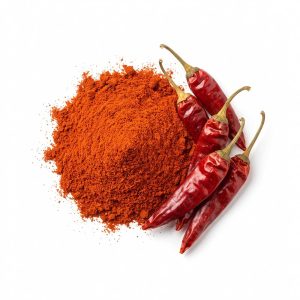
Used as a seasoning and garnish for a plethora of savory dishes, paprika is a powder made by grinding aromatic sweet red pepper pods. The pods are quite tough, so several grindings are necessary to produce the proper texture. The flavor of paprika can range from mild to pungent and hot, the color from bright orange-red to deep blood-red. Most commercial paprika comes from Spain, South America, California and Hungary, with the Hungarian variety considered by many to be superior. Indeed, Hungarian cuisine has long used paprika as a mainstay flavoring rather than simply as a garnish. All supermarkets carry mild paprikas, while ethnic markets must be searched out for the more pungent varieties. As with all herbs and spices, paprika should be stored in a cool, dark place for no more than 6 months.
Peppercorn
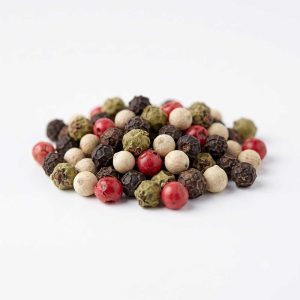
Most cooks today don’t appreciate the plentiful and inexpensive supply of a spice that was once so valuable and rare itwas sometimes used as currency. Its merit was so high that many of the European sailing expeditions during the 15th century were undertaken with the main purpose of finding alternate trade routes to the Far East, the primary source of the prized peppercorn and other spices. Pepper in one form or other is used around the world to enhance the flavor of both savory and sweet dishes. Because it stimulates gastric juices, it delivers a digestive bonus as well. The world’s most popular spice is a berry that grows in grapelike clusters on the pepperplant (Piper nigrum ), a climbing vine native to India and Indonesia. The berry is processed to produce three basic types of peppercorn — black, white and green. The most common is the black peppercorn, which is picked when the berry is not quite ripe, then dried until it shrivels and the skin turns dark brown to black. It’s the strongest flavored of the three — slightly hot with a hint of sweetness. Among the best black peppers are the Tellicherry and the Lampong. The less pungent white peppercorn has been allowed to ripen, after which the skin is removed and the berry is dried. The result is a smaller, smoother-skinned, light-tan berry with a milder flavor. White pepper isused to a great extent for appearance, usually in light-colored sauces or foods where dark specks of black pepper would stand out. The green peppercorn is the soft, underripe berry that’s usually preserved in brine. It has a fresh flavor that’s less pungent than the berry in its other forms.
Rosemary
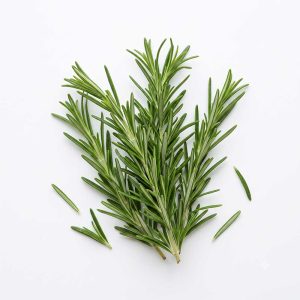
Used since 500 b.c., rosemary is native to the Mediterranean area (where it grows wild) but is now cultivated throughout Europe and the United States. Early on, this mint-family member was used to cure ailments of the nervous system. Rosemary’s silver-green, needle-shaped leaves are highly aromatic and their flavor hints of both lemon and pine. This herb is available in whole-leaf form (fresh and dried) as well as powdered. Rosemary Essence is used both to flavor food and to scent cosmetics. Rosemary can be used as a seasoning in a variety of dishes including fruit salads, soups, vegetables, meat (particularly lamb), fish and egg dishes, stuffings and dressings.
Saffron
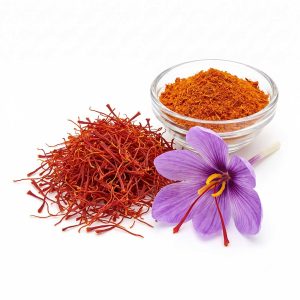
It’s no wonder that saffron — the yellow-orange stigmas from a small purple crocus (Crocus sativus )— is the world’s most expensive spice. Each flower provides only three stigmas, which must be carefully hand-picked and then dried — an extremely labor-intensive process. It takes over 14,000 of these tiny stigmas for each ounce of saffron. Thousands of years ago saffron was used not only to flavor food and beverages but to make medicines and to dye cloth and body oils a deep yellow.Today this pungent, aromatic spice is primarily used to flavor and tint food. Fortunately (because it’s so pricey), a little saffron goes a long way. It’s integral to hundreds of dishes like Bouillabaisse, Risotto Milanese and Paella, and flavors many European baked goods. Saffron is marketed in both powdered form and in threads (the whole stigmas).Powdered saffron loses its flavor more readily and can be easily adulterated with imitations. The threads should be crushed just before using. Store saffron airtight in a cool, dark place for up to 6 months.
Sage
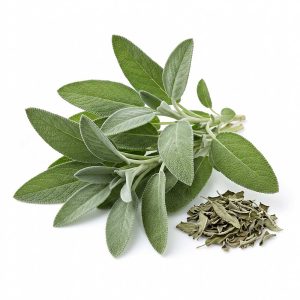
This native Mediterranean herb has been enjoyed for centuries for both its culinary and medicinal uses. The name comes from a derivative of the Latin salvus , meaning “safe,” a reference to the herb’s believed healing powers. The narrow, oval, gray-green leaves of this pungent herb are slightly bitter and have a musty mint taste and aroma. There’s also a variety called pineapple sage, which has an intensely sweet pineapple scent. Small bunches of fresh sage are available year-round in many supermarkets. Choose sage by its fresh color and aroma. Refrigerate wrapped in a paper towel and sealed in a plastic bag for up to 4 days. Dried sage comes whole, rubbed (crumbled) and ground. It should be stored in a cool, dark place for no more than 6 months. Sage is commonly used in dishes containing pork, cheese and beans, and in poultry and game stuffings. Sausage makers also frequently use it to flavor their products.
Tarragon
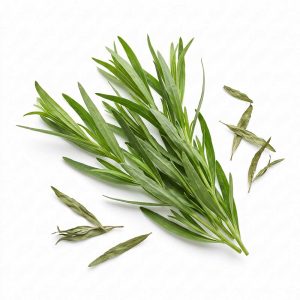
Narrow, pointed,dark green leaves distinguish this perennial aromatic herb known for its distinctive anise like flavor. Tarragon is widely used in classic French cooking for a variety of dishes including chicken, fish and vegetables, as well as many sauces, the best known being Bearnaise. It’s also an integral ingredient in various herbal combinations such as Fines Herbes. Tarragon is available fresh in the summer and early fall and year-round in dried and powdered forms. Care should be taken when using tarragon since its assertiveness can easily dominate other flavors. Tarragon vinegar is a popular item in gourmet markets.
Thyme
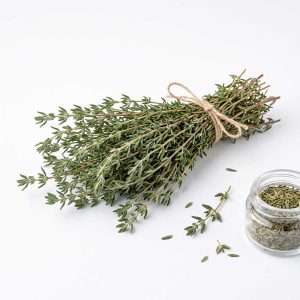
Thyme is an essential herb for any herb garden whether you are a beginner or a pro. It’s easy to grow and maintain when placed in full sun, with light dry soil. It’s a Mediterranean plant so it needs a lot of heat to flourish, but yet it can survive even Zone 5 winters.
Harvest your thyme often, and use it fresh, dried or it can be frozen in ice cubes or in small bags. I use it along with fresh garlic in my meatballs and have been told they are “better than Moms”. Add thyme to your meatloaf recipes too. It is a wonderful addition to squash, carrots or dried beans, and can be added to any Pasta Primavera recipe as well.
A lovely tea can be made with 3 parts thyme and 1 part each rosemary and spearmint. Brew in a tightly closed teapot using 1 tsp. tea to 1 cup water. Let steep for 10 minutes and serve hot.
There are many varieties of Thyme; over 400 have been cataloged over the centuries. For culinary purposes three seem to be the most popular; garden (Thymus vulgaris), lemon (Thymus citriodorus) and caraway-scented (Thymus herba-barona). Try them all if you have room in your herb garden.
Turmeric
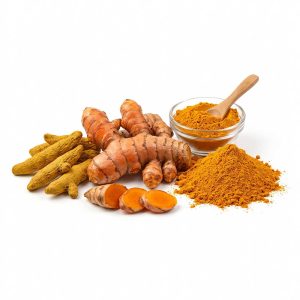
Used in cooking since 600 b.c., turmeric is the root of a tropical plant related to ginger. Though native to the Orient, this spice is now also cultivated in India and the Caribbean. It has a bitter, pungent flavor and an intense yellow-orange color. In Biblical times, turmeric was often used to make perfume, a comment on its rather exotic fragrance. Today it’s used mainly to add both flavor and color to food. Turmeric is very popular in East Indian cooking and is almost always used in curry preparations. It’s also a primary ingredient in mustard and is what gives American-style prepared mustard its bright yellow color. Powdered turmeric is widely available in supermarkets. As with all spices, it should bestored in a cool, dark place for no more than 6 months.