

Allspice
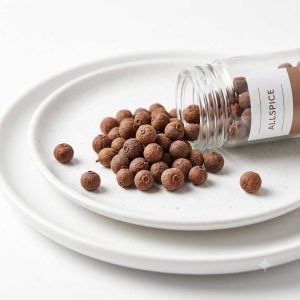
The pea-size berry of the evergreen pimiento tree, native to the West Indies and South America, though Jamaica provides most of the world’s supply (allspice is also known as Jamaica pepper ). The dried berries are dark brown and can be purchased whole or ground. The spice is so named because it tastes like a combination of cinnamon, nutmeg and cloves. As with other spices, it should be stored in a cool, dark place for no more than 6 months. Allspice is used in both savory and sweet cooking.
Anise
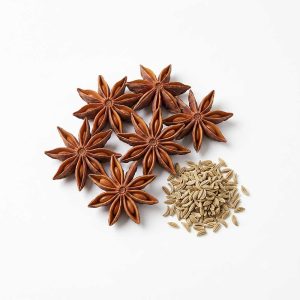
Known as far back as at least 1500 b.c., this small annual plant is a member of the parsley family. Both the leaves and seed have a distinctive, sweet licorice flavor. The greenish brown, comma-shaped anise seed perfumes and flavors a variety of confections as well as savory dishes. It’s also used to flavor drinks such as Pastis, Arrack, Anisette and Ouzo. Anise seed plays an important role in the cooking of Southeast Asia. Chinese cooks are more likely to use Star Anise than anise seed.
Basil
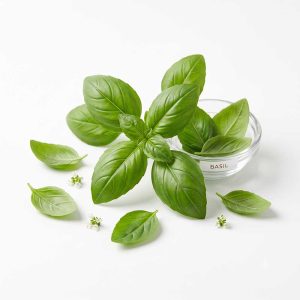
If a person loves herbs, they love basil. It seems to be everyone’s favorite herb and the recipes that take advantage of this fresh and spicy leaf are endless.
I personally think if you can only grow two plants it should be a pot of tomatoes and a pot of basil. With these two plants and a few basic pantry items you can treat yourself to gourmet fare!
Growing Basil
Basil is an annual, and is easily grown from seed. There are over two dozen types of basil including lettuce-leaf which has large leaves, cinnamon basil and the purple leafed varieties. Basil is not frost tolerant at all, so be sure to only plant after the soil has warmed completely.
Though it needs full sun, basil does need more moisture than some herbs, so keep it watered; especially in pots.
You can bring basil inside as a window herb if you plant the seeds in pots during warm weather and bring inside to grow in a bright and sunny window when cold.
Using and Preserving Basil
Basil can be frozen, dried, or preserved in oil and it’s delicious however you choose to preserve it.
Basil is also available year round in most produce sections. Add leaves to salads or sandwiches along with your lettuce. Add basil to sautés or soups at the last minute to preserve flavor.
Basil is also wonderful in herbal vinegars. Try mixing it with oregano and thyme.
Bay Leaf
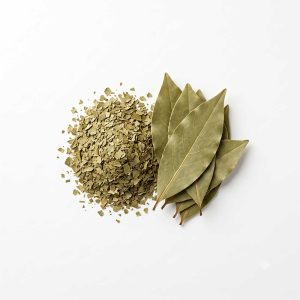
Also called laurel leaf or bay laurel, this aromatic herb comes from the evergreen bay laurel tree, native to the Mediterranean. Early Greeks and Romans attributed magical properties to the laurel leaf and it has long been a symbol of honor, celebration and triumph, as in “winning your laurels.” The two main varieties of bay leaf are Turkish (which has 1- to 2-inch-long oval leaves) and Californian (with narrow, 2- to 3-inch-long leaves). The Turkish bay leaves have a more subtle flavor than do the California variety. Bay leaves are used to flavor soups, stews, vegetables and meats. They’re generally removed before serving. Overuse of this herb can make a dish bitter. Fresh bay leaves are seldom available in markets. Dried bay leaves, which have a fraction of the flavor of fresh, can be found in supermarkets. Store dried bay leaves airtight in a cool, dark place for up to 6 months.
Caraway Seed
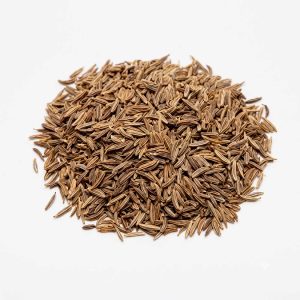
These aromatic seeds come from an herb in the parsley family. They have a nutty, delicate anise flavor and are widely used in German, Austrian and Hungarian cuisine. Caraway seeds flavor many foods including cheese, breads, cakes, stews, meats, vegetables and the liqueur Kummel. They should be stored airtight in a cool, dark place for no more than 6 months.
Cardamom
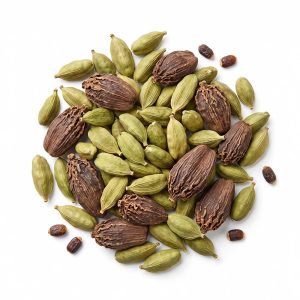
A member of the ginger family, this aromatic spice is native to India and grows in many other tropical areas including Asia, South America and the Pacific Islands. Cardamom seeds are encapsulated in small pods about the size of a cranberry. Each pod contains 17 to 20 tiny seeds. Cardamom has a pungent aroma and a warm, spicy-sweet flavor. It’s widely used in Scandinavian and East Indian cooking. Cardamom can be purchased either in the pod or ground. The latter, though more convenient, is not as full-flavored because cardamom seeds begin to lose their essential oils as soon as they’re ground. The seeds may be removed from the pods and ground, or the entire pod may be ground. A mortar and pestle make quick work of the grinding. If using cardamom to flavor dishes such as stews and curries, lightly crush the shell of the pod and add the pod and seeds to the mixture. The shell will disintegrate while the dish cooks. Be frugal when using cardamom — a little goes a long way.
Cinnamon
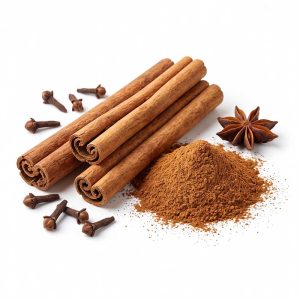
Once used in love potions and to perfume wealthy Romans, this age-old spice comes in two varieties — Cinnamomum zeylanicum (Ceylon cinnamon) and Cinnamomum cassia (cassia). Cinnamon is the inner bark of a tropical evergreen tree. The bark is harvested during the rainy season when it’s more pliable. When dried, it curls into long quills, which are either cut into lengths and sold as cinnamon sticks, or ground into powder. Ceylon(or tree) cinnamon is buff-colored and mildly sweet in flavor; cassia cinnamon is a dark, reddish brown color and has a more pungent, slightly bittersweet flavor. Cassia cinnamon is used and sold simply as “cinnamon” in many countries (including the United States). Cinnamon is widely used in sweet dishes, but also makes an intriguing addition to savory dishes such as stews and curries. Oil of cinnamon comes from the pods of the cinnamon tree and is used as a flavoring, as well as a medicinal.
Clove
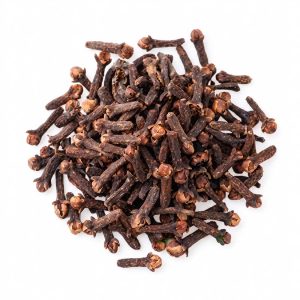
Considered one of the world’s most important spices, cloves are the dried, unopened flower bud of the tropical evergreen clove tree. Reddish brown and nail-shaped, their name comes from clavus , the Latin word for nail. Cloves are sold whole or ground and can be used to flavor a multitude of dishes ranging from sweet to savory.
Coriander
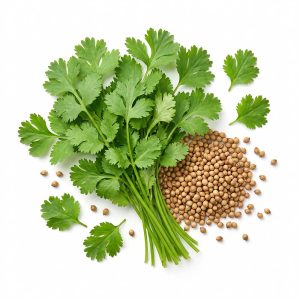
Native to the Mediterranean and the Orient, coriander is related to the parsley family. It’s known for both its seeds (actually the dried, ripe fruit of the plant) and for its dark green, lacy leaves. The flavors of the seeds and leaves bear absolutely no resemblance to each other. Mention of coriander seeds was found in early Sanskrit writings and the seeds themselves have been discovered in Egyptian tombs dating to 960 b.c. The tiny (1/8-inch), yellow-tan seeds are lightly ridged. They are mildly fragrant and have an aromatic flavor akin to a combination of lemon, sage and caraway. Whole coriander seeds are used in pickling and for special drinks, such as mulled wine. Ground seed is useed in many baked good (particularly Scandinavian), curry blends, soups, etc. Both forms are commonly available in supermarkets.
Coriander leaves are also commonly known as cilantro and Chinese parsley. Fresh coriander leaves have an extremely pungent (some say fetid) odor and flavor that lends itself well to highly seasoned food. Though it’s purported to be the world’s most widely used herb, many Americans and Europeans find that fresh coriander is definitely an acquired taste. Choose leaves with an even green color and no sign of wilting. Store a bunch of coriander, stems down, in a glass of water with a plastic bag over the leaves. Refrigerate in this manner for up to a week, changing the water every 2 days. Coriander leaves are used widely in the cuisines of India, Mexico, the Orient and the Caribbean.
Cumin
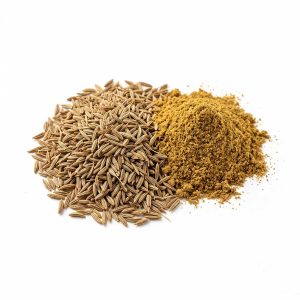
Also called comino , this ancient spice dates back to the Old Testament. Shaped like a caraway seed, cumin is the dried fruit of a plant in the parsley family. Its aromatic, nutty-flavored seeds come in three colors: amber (the most widely available), white and black (both found in Asian markets). White cumin seed is interchangeable with amber, but the black seed has a more complex, peppery flavor. Cumin is available in seed and ground forms. As with all seeds, herbs and spices, it should be stored in a cool, dark place for no more than 6 months. Cumin is particularly popular in Middle Eastern, Asian and Mediterranean cooking. Among other things, it’s used to make curries, chili powders and Kummel Liqueur.