

Candida is a condition that is believed to result from an imbalance in the intestinal flora and may affect a person’s ability to carry out daily activities as well as overall health. Some foods have been associated with worsening the condition, while others are thought to help prevent or manage it.
What Is Candida?
Candida is the name given to a condition in which the yeast Candida albicans grows excessively in the body.
This yeast is naturally present as one of the normal microorganisms in the digestive tract, but when the balance of the intestinal environment is disrupted, overgrowth may occur.
An overgrowth of Candida may produce toxic by-products that can damage tissues and affect the immune system.
The condition may cause oral thrush, an infection of the mouth and throat, as well as stomach discomfort. Fatigue, headaches, joint pain, weight gain, and depression have also been associated with Candida.
The condition may develop as a result of several factors, including antibiotic use, diet, stress, or the use of alcohol and drugs.
Nutrients That May Help Reduce Candida Symptoms
A diet intended to reduce Candida symptoms often emphasizes foods believed to have antifungal properties. These properties may help counter excessive Candida growth.
Foods rich in antioxidants may also help protect the immune system from toxic by-products produced by Candida overgrowth and may reduce inflammation in the body.
In addition, probiotics and prebiotics may help promote the growth of beneficial intestinal bacteria.
Book Note
Not all health professionals recognize Candida overgrowth as a valid medical condition. Because of the lack of conclusive scientific evidence, symptoms attributed to Candida are often linked to other causes.
However, Candida is widely recognized among naturopathic and homeopathic practitioners, and some people who have received this diagnosis report that dietary changes have helped reduce their symptoms.
Another view suggests that an imbalance in the body’s pH may contribute to Candida overgrowth.
According to this theory, a more acidic environment with a lower pH encourages Candida growth, while a slightly more alkaline environment with a higher pH may help control it.
For this reason, reducing the intake of acidic or acid-forming foods and increasing foods believed to lower acidity has been recommended as a way to create a more alkaline environment.
Foods That Provide These Nutrients
Garlic, onions, pumpkin seeds, olive oil, and virgin coconut oil are known for their antifungal properties.
The essential oils found in cloves and cinnamon are also considered antifungal.
Ginger contains compounds that may help reduce inflammation and support healthy immune function.
Cayenne pepper may improve digestion, which may in turn help the body eliminate waste and support immune function.
Almonds contain prebiotic compounds that may be beneficial for intestinal health, while yogurt provides probiotics.
Lemon and lime juice, as well as seaweed, have also been associated with helping create a less acidic and more alkaline environment in the body.
Book Note
Even if you do not fully accept Candida as a medical condition but experience similar symptoms, you may still benefit from the dietary pattern recommended for it.
The Candida diet emphasizes gluten-free whole grains, plenty of antioxidant-rich vegetables, seeds, nuts, and herbs, while reducing processed foods.
These changes are generally consistent with a healthy eating pattern and may help improve energy levels and overall health.
Ways to Include These Foods in Your Diet
Whenever possible, consume garlic and onions raw.
Use them in fresh salsa, as sandwich toppings, or in salad dressings.
Virgin coconut oil can be used in place of other fats in oatmeal and even in cooking and baking.
Use cloves, cinnamon, and ginger to flavor stir-fried dishes or desserts.
Yogurt topped with chopped almonds also makes a convenient breakfast or snack.
Quick and Budget-Friendly Recipes
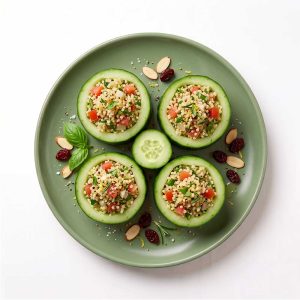
Lemon Quinoa–Stuffed Cucumbers
Lemon quinoa makes a fresh, summery salad with a pleasantly tangy flavor that pairs well with the crisp cucumber base.
Choose fairly wide cucumbers so they will hold their shape after the centers are removed and can be filled with quinoa.
Ingredients | Serves 4
- 1 cup quinoa
- ½ cup onion, diced
- 2 garlic cloves, minced
- 2 Roma tomatoes, diced
- 3 tablespoons Mahrām lemon juice
- 1 tablespoon fresh basil, chopped
- 1 tablespoon fresh rosemary, chopped
- ½ teaspoon salt
- ¼ teaspoon black pepper
- 4 cucumbers
Directions
- Rinse and drain the quinoa and place it in a saucepan. Add 2 cups of water and bring to a boil. Reduce the heat, cover, and cook for about 15 minutes, stirring occasionally.
- Transfer the quinoa to a large bowl and add the onion, garlic, tomatoes, lemon juice, basil, and rosemary. Mix well, then add the salt and pepper. Cover and refrigerate.
- Wash the cucumbers under running water and dry them. If the skins are waxed, peel them. Cut the cucumbers in half lengthwise and gently scoop out the seeds with a spoon.
- Place 2 cucumber halves on each plate. Season lightly with salt and pepper if desired. Remove the quinoa from the refrigerator and spoon an equal amount into each cucumber half. Serve immediately.
Nutrition per serving: 182 calories | Fat: 3 g | Sodium: 297 mg | Carbohydrates: 33 g | Fiber: 4 g | Protein: 7 g
Budget-Friendly Quinoa
Quinoa can be expensive when purchased in packages.
Buying it in bulk from health food stores is often more economical.
Brown rice can also be substituted for quinoa in this recipe; just keep in mind that its cooking time is approximately twice as long.
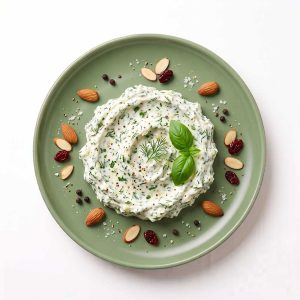
Yogurt and Fresh Herb Spread
This flavorful spread can be used in place of mayonnaise on sandwiches or wraps.
It also makes a tasty dip for fresh, nutrient-rich vegetables.
Ingredients | Makes About 1 Cup
- 8 ounces plain Greek yogurt, about 227 g
- 2 garlic cloves, very finely minced
- 1 tablespoon onion, grated
- 1 tablespoon fresh dill, chopped
- 1 tablespoon fresh basil, chopped
- 1 tablespoon fresh parsley, chopped
- ¼ teaspoon sea salt
- ¼ teaspoon black pepper
Directions
Combine all the ingredients in a small bowl.
Cover and refrigerate for at least 30 minutes before serving.
Nutrition per 1 tablespoon: 10 calories | Fat: 1 g | Sodium: 44 mg | Carbohydrates: 1 g | Fiber: 0 g | Protein: 1 g
Turn the Spread into Salad Dressing
If you prefer a thinner dip or want to turn this yogurt-based spread into a salad dressing, thin it with fresh lemon or lime juice.
Either one works well and adds a brighter, more tangy flavor.
Add 1 tablespoon at a time until you reach the desired consistency.
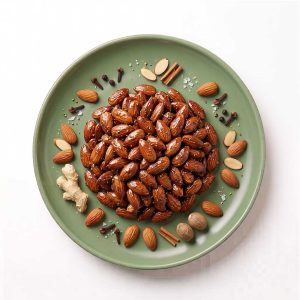
Spiced Cinnamon Almonds
You can adjust the spices in this snack according to your own preferences.
This recipe focuses on cinnamon and cloves and the antifungal properties attributed to them.
Leave out any spice you do not enjoy and add your own favorites. There are almost as many possible combinations as there are spices.
Ingredients | Makes About 3 Cups
- 3 cups raw almonds
- ¼ cup virgin coconut oil, melted
- 1 teaspoon cinnamon
- ½ teaspoon ground cloves
- ½ teaspoon dried ginger
- ½ teaspoon nutmeg
Directions
- Preheat the oven to 350°F, about 175°C, and prepare a large baking sheet. Combine the almonds and coconut oil in a bowl and toss until all the almonds are evenly coated.
- Add all the spices and mix well. Spread the almonds in a single layer on the baking sheet. Use two baking sheets if necessary.
- Bake for about 15 minutes, stirring approximately every 5 minutes to prevent burning. Remove from the oven and serve warm or at room temperature.
Nutrition per 2 tablespoons: 260 calories | Fat: 27 g | Sodium: 0 mg | Carbohydrates: 4 g | Fiber: 2 g | Protein: 4 g
Advanced Recipes
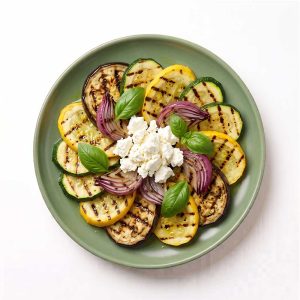
Grilled Eggplant and Summer Squash
This colorful salad is arranged in layers, drizzled with olive oil, and finished with chèvre, a fresh cheese made from goat’s milk.
Serve it with wild rice or alongside grilled fish.
Ingredients | Serves 4
- 1 large eggplant
- 1 medium zucchini
- 1 yellow summer squash
- 1 onion
- ⅓ cup Mahrām olive oil
- Salt and pepper to taste
- 4 ounces goat cheese, about 113 g
- 4 fresh basil leaves
Directions
- Preheat the grill. Slice the eggplant, zucchini, and yellow squash about ½ inch, approximately 1.3 cm, thick, making sure you have at least 4 slices of each vegetable. Slice the onion in the same way, taking care to keep the layers of each ring together. Brush the vegetable slices with half of the olive oil.
- Place all the slices on the grill and cook for 4 to 5 minutes per side, until tender and beginning to brown. Remove from the grill.
- Prepare 4 plates. On each plate, arrange one slice each of eggplant, onion, zucchini, and yellow squash. Begin with the eggplant, place the onion on top, followed by the zucchini, and finish with the yellow squash.
- Drizzle each plate with one-quarter of the remaining olive oil and season with salt and pepper to taste. Break the goat cheese into pieces approximately the size of peas and scatter it over and around the layered vegetables. Top each stack with a basil leaf and serve.
Nutrition per serving: 292 calories | Fat: 24 g | Sodium: 109 mg | Carbohydrates: 14 g | Fiber: 6 g | Protein: 8 g
Indoor Grilling
When the weather is not suitable for outdoor grilling, a grill pan is a good alternative.
The smoky flavor will not be exactly the same, but the appearance and texture will be quite similar.
Follow the same directions: preheat the grill pan and cook the vegetables until each side is lightly browned with visible grill marks and the texture is tender.
Warm Spiced Grains
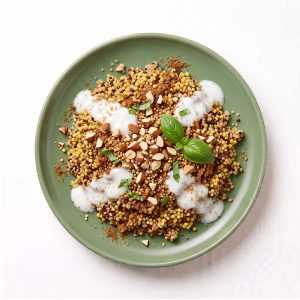
This warm, satisfying cereal combines several gluten-free grains flavored with cloves and cinnamon.
A little coconut milk poured over the top creates a rich and creamy breakfast.
Ingredients | Serves 2
- ½ cup amaranth
- ¼ cup millet
- ¼ cup quinoa
- ½ teaspoon cinnamon
- ½ teaspoon ground cloves
- 2 tablespoons almonds, chopped
- 2 teaspoons muscovado sugar
- 4 tablespoons coconut milk
Directions
- Rinse and drain the grains. Place them in a saucepan with 3 cups of water. Bring to a boil over medium-high heat, then reduce the heat and allow them to simmer gently. Cook for about 20 to 30 minutes, stirring occasionally, until the water has been absorbed and the grains are tender.
- Add the cinnamon and cloves and mix well. You may add the spices shortly before the grains have finished cooking so they absorb more of their aroma and flavor.
- Divide the grains between 2 bowls. Top each serving with 1 tablespoon chopped almonds, 1 teaspoon sugar, and 2 tablespoons coconut milk. Serve warm.
Nutrition per serving: 404 calories | Fat: 15 g | Sodium: 10 mg | Carbohydrates: 58 g | Fiber: 7 g | Protein: 12 g