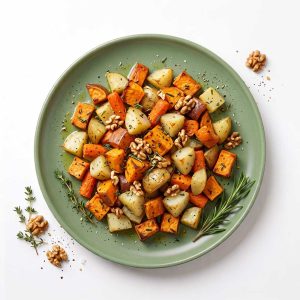



More than 300 million people worldwide have asthma. Asthma has long been associated with heredity and environmental factors, but more recent research suggests that the foods you eat may help reduce symptoms of the condition. Some foods contain nutrients that can decrease inflammation and pressure in the airways, which may in turn lessen asthma symptoms.
What Is Asthma?
Asthma is a condition that affects the passages through which air moves into and out of the lungs.
These bronchial tubes, or airways, are sensitive to foreign substances that enter during breathing. The airways become inflamed and swollen, and the muscles surrounding them tighten in response to these particles, narrowing the passage through which air flows.
As a result, less air moves into and out of the lungs, causing coughing and wheezing.
Fact
Several environmental factors have been associated with an increased risk of asthma in children. These include poor air quality caused by pollutants such as vehicle exhaust, secondhand tobacco smoke, and high ozone levels.
Psychological stress, viral infections, and antibiotic use during the early years of life are also believed to increase the risk of asthma in children.
Asthma symptoms—including coughing, wheezing, chest tightness, and shortness of breath—vary from person to person in both frequency and severity.
For some people, these symptoms are simply bothersome, while for others they can interfere with normal daily activities. Severe symptoms can be life-threatening, so it is important to treat them as soon as they occur.
In addition, managing environmental triggers that worsen asthma symptoms, such as reducing exposure to secondhand smoke, and consuming foods that may help reduce inflammation and pressure in the airways can be beneficial for people with asthma.
Nutrients That May Help Reduce Asthma Symptoms
Three major vitamins act as antioxidants and may help reduce inflammation in the lungs, which is often caused by free radicals generated by air pollutants.
These same free radicals have also been associated with asthma and its symptoms.
The vitamins include beta-carotene, a provitamin that is converted into vitamin A in the body, as well as vitamins C and E.
Phytochemicals found in fruits and vegetables also act as antioxidants.
Research has also shown that omega-3 fatty acids may reduce the production of cytokines, which are associated with increased sensitivity of lung tissue and inflammation of the airways.
In contrast, omega-6 fatty acids, such as those found in refined oils and packaged snack foods, have been associated with increased cytokine production.
Caution
Studies suggest that sulfites can trigger asthma symptoms in some people.
Foods that may contain sulfites include wine, beer, grape juice, certain dried fruits, pickled foods, fresh and frozen shrimp, and vinegar.
Monitor your sulfite intake to determine whether sulfites trigger your asthma symptoms.
In restaurants, sulfites may also be sprayed on certain prepared foods before serving to prevent browning.
Foods That Provide These Nutrients
For beta-carotene and vitamin A, choose sweet potatoes, kale, carrots, and cantaloupe.
Use fresh thyme to season foods; it is also a source of vitamin A. If you prefer dried herbs, dried parsley and dried basil also provide vitamin A.
Vitamin C can be found in foods such as guava, red bell peppers, and kiwi. Green bell peppers and strawberries are also good sources.
Vitamin E is an active antioxidant found in many oils. However, to increase your vitamin E intake while also obtaining other valuable nutrients such as protein and healthy fats, choose sunflower seeds, almonds, hazelnuts, turnip greens, and avocados.
Ways to Include These Foods in Your Diet
One of the easiest ways to make sure you consume enough of the beneficial vitamins found in fruits and vegetables is to choose produce according to color.
Include a variety of dark green, orange, and red fruits and vegetables in your diet each week.
For a side dish, choose sweet potatoes or a dark green salad topped with strips of red bell pepper and chopped avocado.
Combine kiwi and strawberries in a yogurt parfait or smoothie.
For a snack, have a small handful of unsalted almonds, hazelnuts, and walnuts.
Question
Should I eliminate omega-6 fatty acids from my diet?
No. Omega-6 fatty acids are essential for good health. The problem is consuming too much of them.
Aim for a better balance between omega-6 and omega-3 fatty acids.
Obtain more of your omega-6 fatty acids from natural sources such as nuts and seeds rather than refined oils and processed snack foods.
To increase your intake of omega-3 fatty acids, eat more wild salmon and other cold-water fatty fish, as well as walnuts and flaxseed.
Set a goal of stepping slightly outside your usual food choices.
Many of the leafy green vegetables that provide vitamins associated with reducing asthma symptoms are not always common at the dinner table.
Kale and turnip greens can be especially flavorful when lightly sautéed in olive oil and seasoned with a small amount of sea salt and black pepper.
Sometimes you simply need to try them once to discover that you enjoy their flavor.
Quick and Budget-Friendly Recipes
“Orange” Juice
This drink is more than ordinary orange juice.
It combines several fruits and vegetables rich in beta-carotene and vitamin C to help reduce lung inflammation caused by free radicals.
You will need an electric juicer for this recipe.
Ingredients | Serves 1
- 2 oranges, peeled
- 1 cup chopped cantaloupe
- 1 carrot, peeled
Directions
- Prepare the juicer according to the manufacturer’s instructions and place a glass under the spout. Cut the fruits and vegetables into pieces small enough to fit through the juicer chute.
- Turn on the juicer and use the pusher to feed the oranges, cantaloupe, and carrot through the chute. Collect the juice in the glass, stir, and drink immediately. Add ice if desired.
Nutrition per serving: 169 calories | Fat: 1 g | Sodium: 27 mg | Carbohydrates: 40 g | Fiber: 1 g | Protein: 3 g
Add Some Leafy Greens
Collard greens and kale make flavorful additions and pair well with the sweetness of this juice.
They also provide additional beta-carotene.
Place 2 leaves of collard greens or kale between larger pieces of fruit and vegetables to help the leaves pass more easily through the juicer.
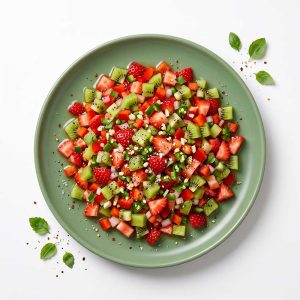
Sweet and Spicy Fresh Fruit Salsa
This recipe combines a variety of colorful fruits and vegetables that are rich in vitamin C.
The jalapeño is optional, so you can make the salsa mild or spicy according to your preference.
Try serving it with your favorite grilled fish for a light and nutritious meal. Alternatively, you can use Mahrām ready-made salsa.
Ingredients | Serves 4
- 1 cup strawberries, diced
- ½ cup kiwi, diced
- ¼ cup red bell pepper, diced
- ¼ cup onion, diced
- 1 garlic clove, minced
- 1 fresh jalapeño pepper, optional
- 3 tablespoons fresh lime juice
- Salt and black pepper to taste
Directions
- Place all the fruit, bell pepper, onion, and garlic in a bowl. If using the jalapeño, slice and then chop it. For less heat, remove the inner membranes and seeds before chopping, then add the jalapeño to the salsa.
- Pour the lime juice over the salsa and toss until the ingredients are evenly coated. Taste and add salt and black pepper as desired. Refrigerate until ready to serve.
Nutrition per serving: 38 calories | Fat: 0 g | Sodium: 2 mg | Carbohydrates: 9 g | Fiber: 2 g | Protein: 1 g
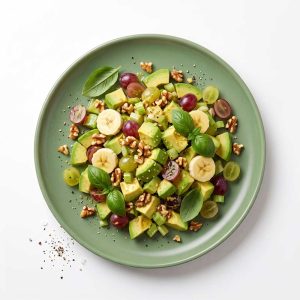
Avocado and Banana Salad
In the United States, vitamin E-rich avocado is most commonly eaten in savory dishes, such as guacamole or sandwiches.
In Brazil and some other countries, however, avocado is also eaten sweetened with banana or sugar, as in this recipe.
Ingredients | Serves 2
- 1 avocado
- 2 small bananas
- 2 tablespoons fresh lime juice
- 1 teaspoon demerara sugar
Directions
- Peel the avocado and bananas, cut them into bite-size pieces, and place them in a medium bowl.
- Add the lime juice and sugar and toss until the fruit is evenly coated. Serve at room temperature.
Nutrition per serving: 260 calories | Fat: 15 g | Sodium: 9 mg | Carbohydrates: 34 g | Fiber: 9 g | Protein: 3 g
Choose Fresh Ingredients
Sulfites are often associated with avocados, bananas, and lime juice.
However, sulfites are preservatives used in packaged or bottled foods and may also be sprayed on prepared foods to prevent browning.
If you use fresh fruit and fresh juice and prepare this recipe yourself, sulfite preservatives should not be a concern.
Advanced Recipes
Sautéed Leafy Greens Pizza
Leafy greens are often overlooked as pizza toppings.
When gently sautéed with olive oil and garlic, however, they develop a deep, complex flavor that needs little more than a small amount of high-quality cheese.
Ingredients | Serves 4
- 2 tablespoons Mahrām olive oil
- 2 garlic cloves, minced
- ½ cup onion, chopped
- 1 cup fresh spinach, chopped
- 1 cup fresh collard greens, chopped
- 1 cup fresh mustard greens, chopped
- 1 cup fresh turnip greens, chopped
- 1 teaspoon smoked paprika
- 1 teaspoon salt
- ¼ teaspoon black pepper
- 1 14-inch pizza crust
- ½ cup aged goat cheese, crumbled
Directions
- Preheat the oven to 400°F. Heat a large skillet and add the olive oil, garlic, and onion. Cook over medium-high heat for about 3 minutes.
- Add all the leafy greens and toss until coated with the oil. Cook for about 5 more minutes, just until the greens begin to wilt and soften. Add the paprika, salt, and pepper.
- Using tongs, spread the cooked greens and onion evenly over the pizza crust. Sprinkle the crumbled goat cheese over the top.
- Bake for about 10 to 12 minutes, or until the edges of the crust begin to brown and the toppings are heated through. Remove from the oven, slice, and serve warm.
Nutrition per serving: 466 calories | Fat: 20 g | Sodium: 1,284 mg | Carbohydrates: 54 g | Fiber: 4 g | Protein: 17 g
High-Quality Cheese Is Worth the Extra Cost
The better the quality of the cheese, the better the flavor of the dish.
Artisan cheeses are more expensive, but their rich flavor means that you can use much less.
When possible, shop at local specialty stores and look for local producers.
This pizza is especially flavorful with aged goat cheese, but you can also try Gorgonzola or smoked cheddar.

Roasted Potatoes and Carrots with Thyme and Rosemary
Roasting vegetables creates exceptional flavor, and fresh thyme and rosemary are ideal herbs for complementing that flavor.
Including some red or white potatoes in this recipe helps balance the sweetness of the sweet potatoes and carrots.
Ingredients | Serves 4
- 2 large sweet potatoes
- 2 large white potatoes
- 4 carrots
- 2 tablespoons Mahrām olive oil
- 1 tablespoon fresh thyme, chopped
- 1 tablespoon fresh rosemary, chopped
- 1 teaspoon salt
- ½ teaspoon black pepper
Directions
- Preheat the oven to 425°F. Scrub the potatoes and carrots thoroughly under running water with a vegetable brush to remove all dirt. Peel the carrots, then cut the potatoes and carrots into bite-size pieces.
- Spread the vegetables in a single layer on a baking sheet. Drizzle with olive oil and add the thyme, rosemary, salt, and pepper. Toss until evenly coated.
- Roast for 35 to 40 minutes, or until the vegetables are tender and lightly browned. Cooking time may vary depending on the size of the pieces. Remove from the oven, sprinkle with a little more salt if desired, and serve warm.
Nutrition per serving: 270 calories | Fat: 7 g | Sodium: 671 mg | Carbohydrates: 51 g | Fiber: 8 g | Protein: 5 g
Cooking with Fresh Herbs
When working with herbs that have woody stems, such as thyme and rosemary, use only the leaves.
Hold the stem between your thumb and finger and slide your fingers along the stem to remove the leaves.
Before adding them to the dish, chop the leaves to help release their aroma.